
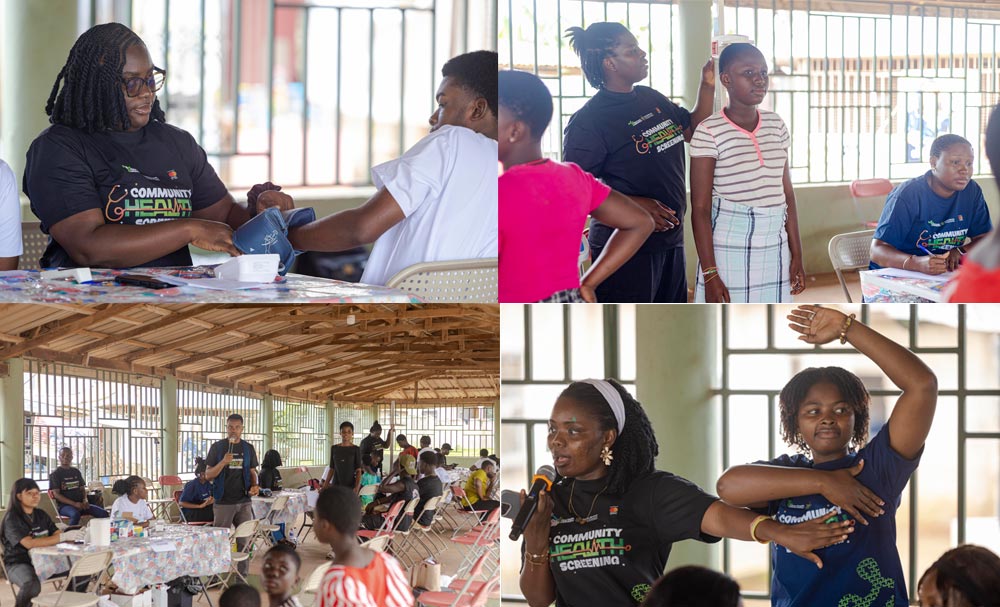
Residents of Appiadu have received free health screening services from the Africa Health Collaborative (AHC) during its annual Community Impact Day, an outreach programme aimed at promoting preventive healthcare and the early detection of diseases in communities surrounding the Kwame Nkrumah University of Science and Technology, Kumasi (KNUST).
The exercise offered screening for blood pressure, blood sugar, body mass index (BMI), hypertension, diabetes, prostate cancer, cervical cancer, breast health and mental health, while providing residents with health education to encourage preventive healthcare.
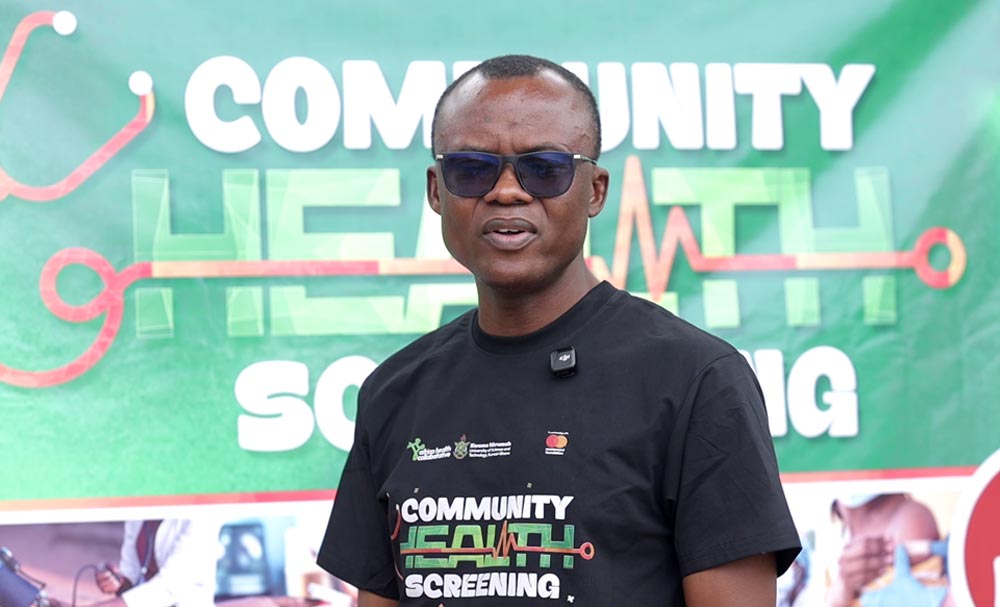
Addressing residents at the Appiadu Durbar Grounds, Dr. Joseph Owusu, Pillar Lead for the Health Ecosystem of the Africa Health Collaborative, said the initiative reflects the Collaborative's commitment to improving the health and well-being of communities as part of its broader mission to advance healthcare in Africa.
"Health is wealth. Our wealth depends on our health," he said.
"We want our community members to be healthier so that they can be proactive and productive."
Dr. Owusu said that while the Africa Health Collaborative supports students through scholarships and stipends, it also recognises the importance of investing in the health of neighbouring communities.
"One of the mandates of the project is giving back to society. Beyond supporting our scholars, we believe the communities within which we work should also benefit. By helping people know their health status through screening, they can take proactive steps to protect their health and remain productive," he said.
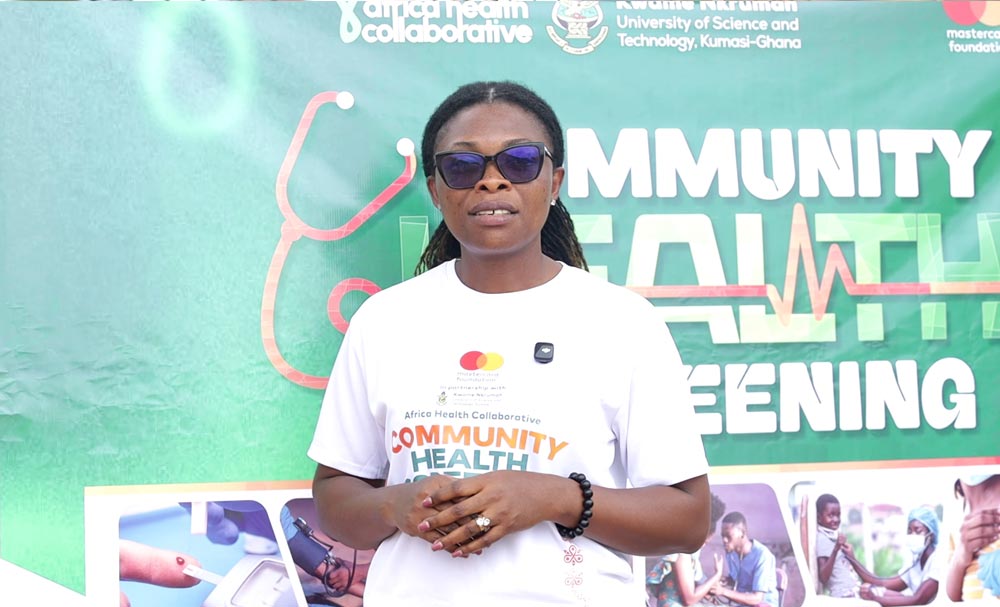
Ms. Eva Boakye-Yiadom, Project Manager of the Africa Health Collaborative, said the outreach forms part of AHC's annual Community Impact Day, an initiative designed to address the healthcare needs of communities around KNUST.
She said the programme was informed by a needs assessment conducted in 2022 and has since been implemented in Ayeduase, Ayigya and Anwomaso before reaching Appiadu this year.
Ms. Boakye-Yiadom also noted that all the health professionals who conducted the screening were beneficiaries of the Africa Health Collaborative scholarship programme.
"Our scholars volunteered their services as a way of giving back to society. As a result, no health professionals were hired for this exercise," she said.
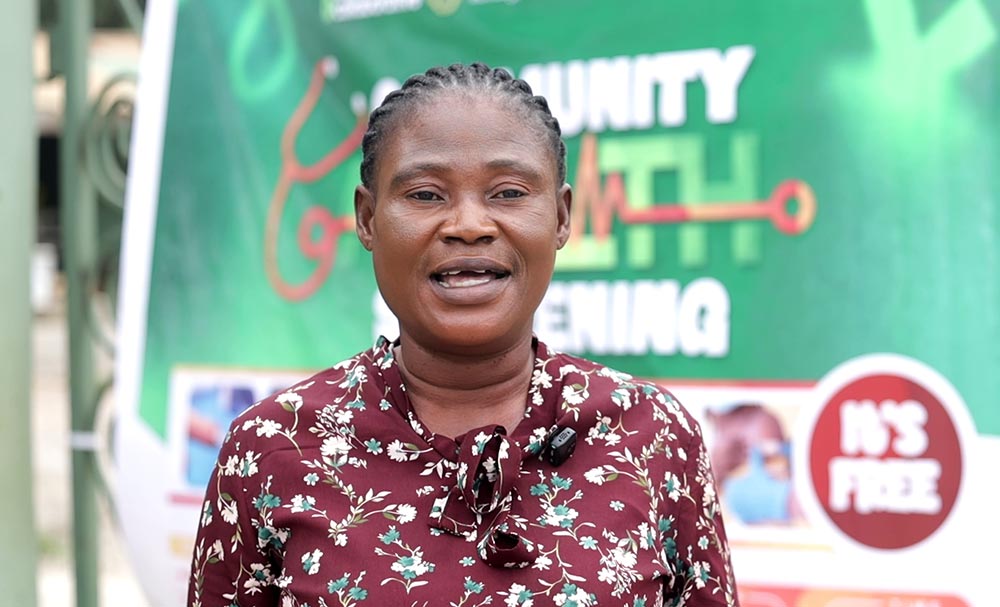
One of the beneficiaries, Madam Adwoa Agyeiwaa, said the outreach had improved her understanding of preventive healthcare. She said she received advice on healthy eating and learned how to perform breast self-examinations to support the early detection of breast cancer.
The outreach also gave Africa Health Collaborative scholars an opportunity to apply their knowledge while serving the community.
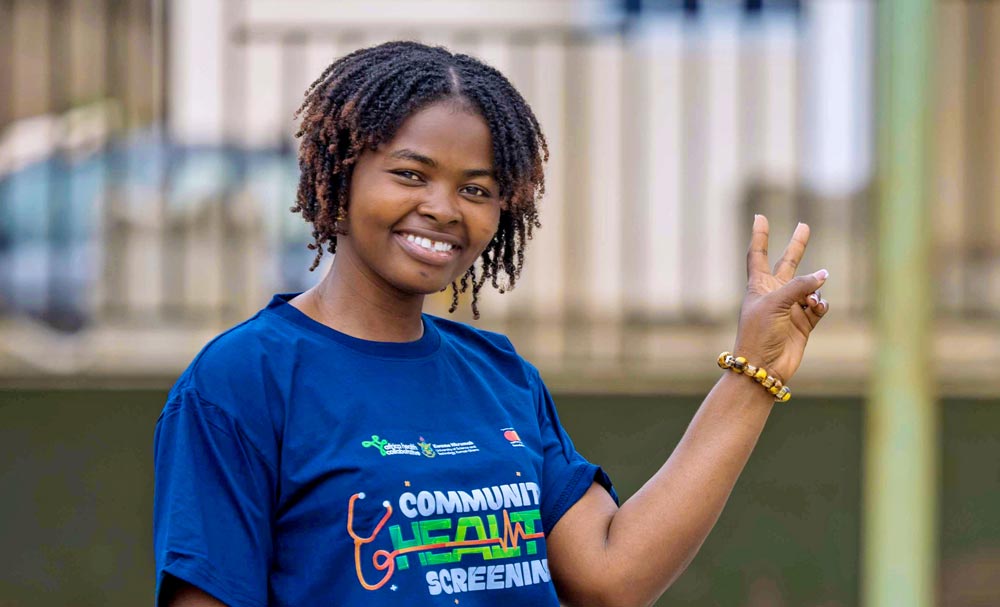
Ms. Margaret Asondene, a first-year MPhil Field Epidemiology and Applied Biostatistics student, an AHC scholar at KNUST and a volunteer during the exercise, described the outreach as a rewarding experience that demonstrated the value of multidisciplinary collaboration in community healthcare.
"It was an amazing and fulfilling experience to work alongside my colleague scholars, medical doctors, physician assistants, nurses, public health professionals and other dedicated health workers, all united by one goal to give back to the community through quality healthcare," she said.
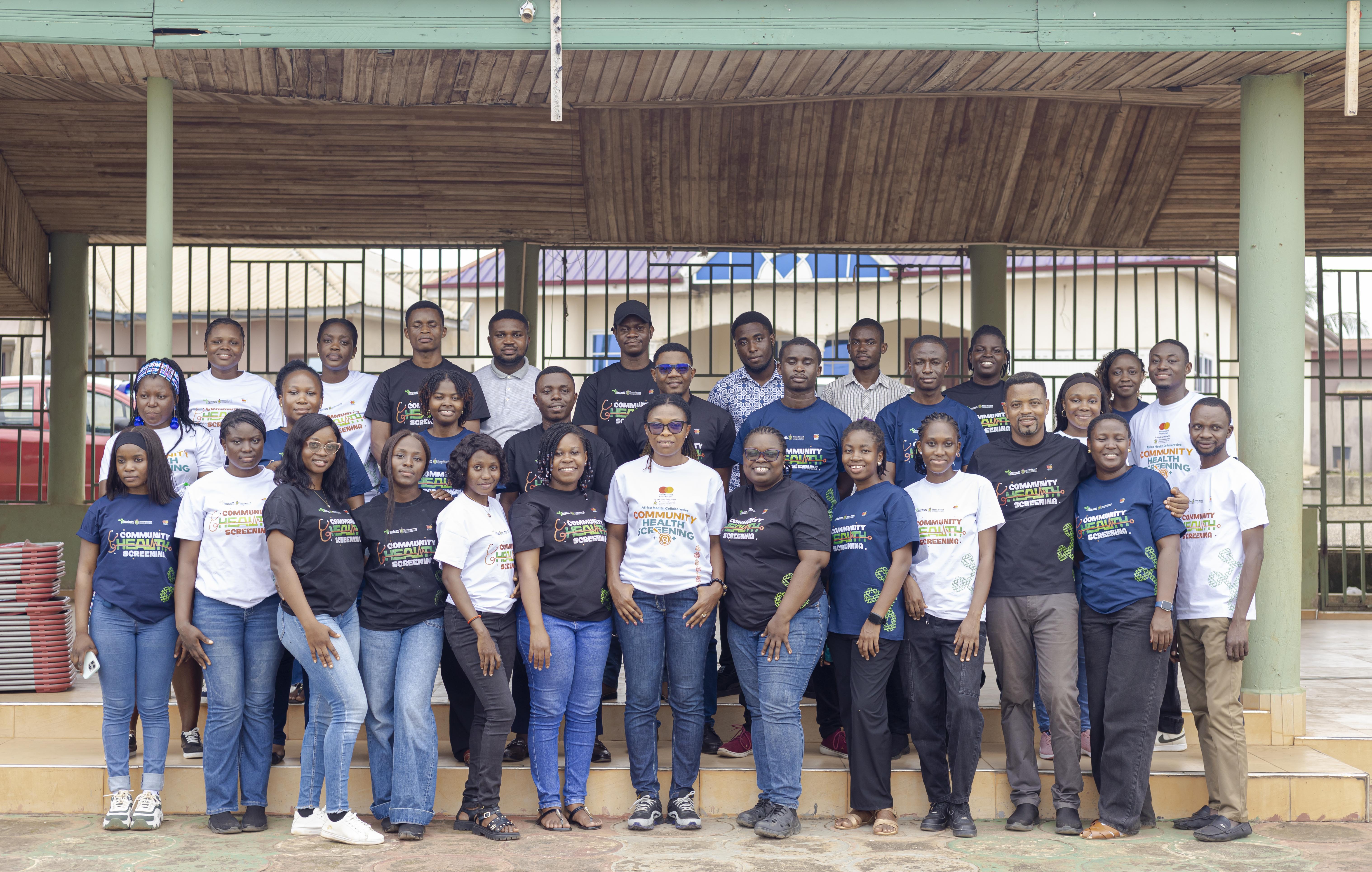
Ms. Asondene said one of the highlights of the outreach was participating in community sensitisation activities, including moving through the community and making public announcements to encourage residents to take advantage of the free screening services.
"Watching people gradually arrive to have their health checked reminded me of the power of community engagement. Health education has the ability to change health-seeking behaviors," she said.
She said the team educated residents on the prevention and early detection of non-communicable diseases, particularly breast and cervical cancers, adding that for many participants, the outreach marked their first-ever health screening.
"Seeing people come for their first health screening reminded us why community outreach matters. Early detection can save lives, and educating people today can change health-seeking behaviours for years to come," she said.
Story and Photos: Emmanuel Offei


